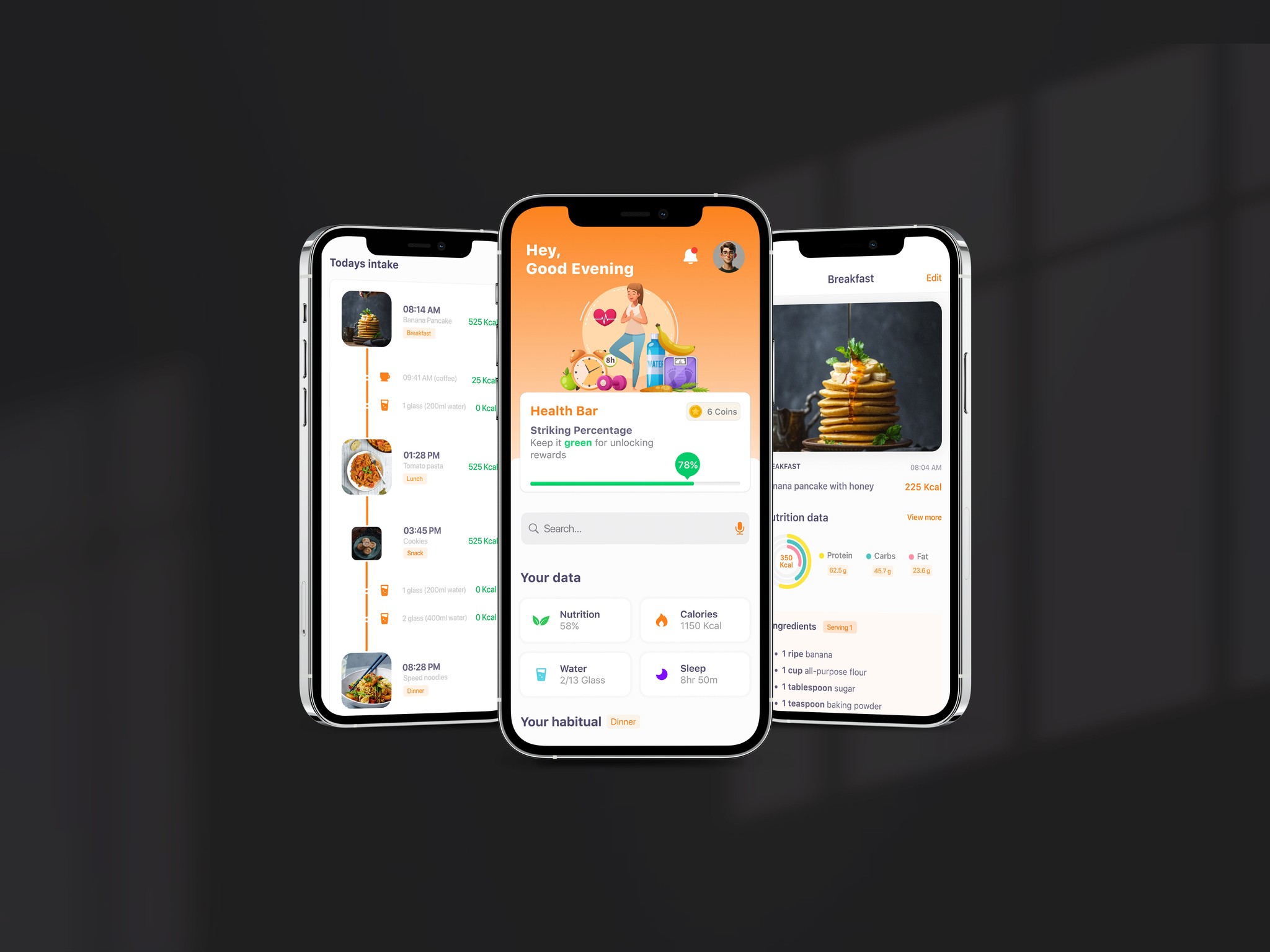
Crunch: A mindful eating application
How can we simplify nutrition tracking to promote healthy eating habits for busy young professionals while keeping them engaged?
How can we simplify nutrition tracking to promote healthy eating habits for busy young professionals while keeping them engaged?
How can we simplify nutrition tracking to promote healthy eating habits for busy young professionals while keeping them engaged?
The Problem
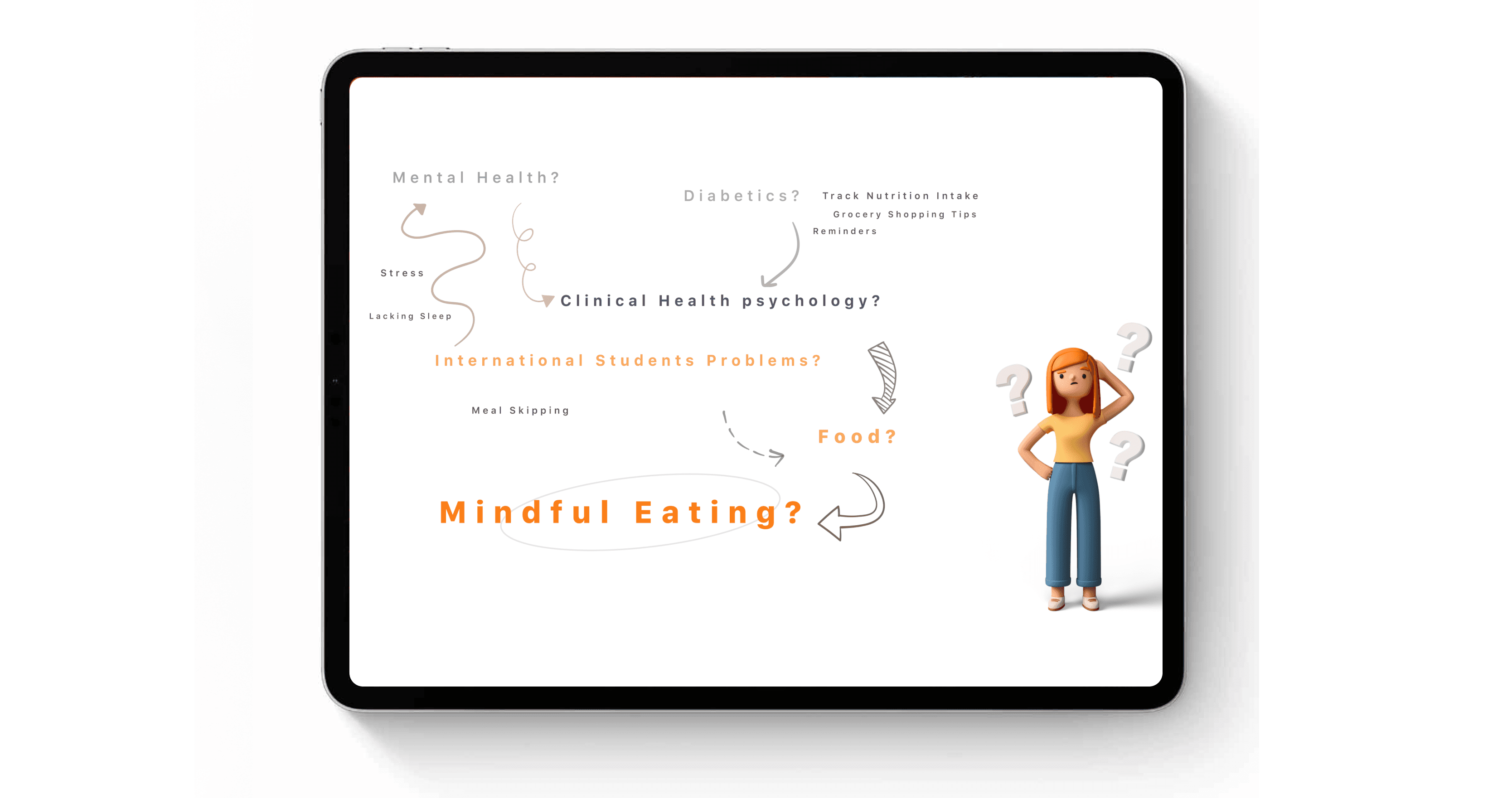
Young professionals and students often struggle to maintain healthy eating habits due to:
• Difficulty in tracking nutritional intake.
• Forgetfulness regarding hydration and balanced meals.
• Lack of motivation to sustain positive habits over time.
Additionally, existing apps often focus on one aspect, like tracking calories, without considering the broader picture of user needs such as simplicity, personalization, and motivation.
User research and competitor analysis
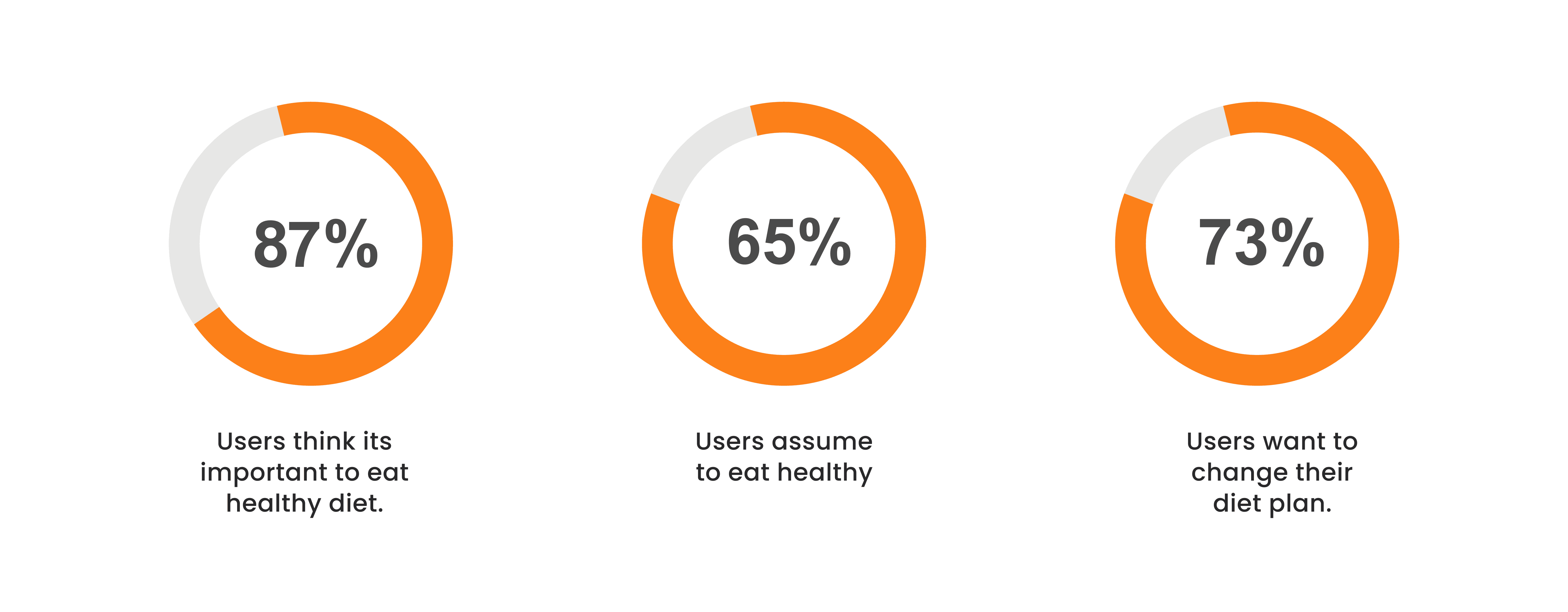
Started with user interviews and surveys targeting the 18-35 age group to uncover challenges in nutrition tracking. Key insights revealed that 80% of users prioritized simple tracking features like barcode scanning, while social and gamified elements were motivating factors.
Storytelling
Created personas to represent our target users, illustrating their goals and frustrations. A storyboard outlined the current journey of fragmented nutrition tracking versus the envisioned seamless experience with Crunch:
Before: Frustration due to complexity and lack of personalization in apps.
After: Ease of tracking with features like barcode scanning and tailored reminders.
Design Process
Wireframes
Designed low-fidelity wireframes to prioritize essential features, focusing on simplified navigation for tracking meals, hydration, and sleep. A dedicated space for social engagement, such as progress sharing, was also included.
Prototypes
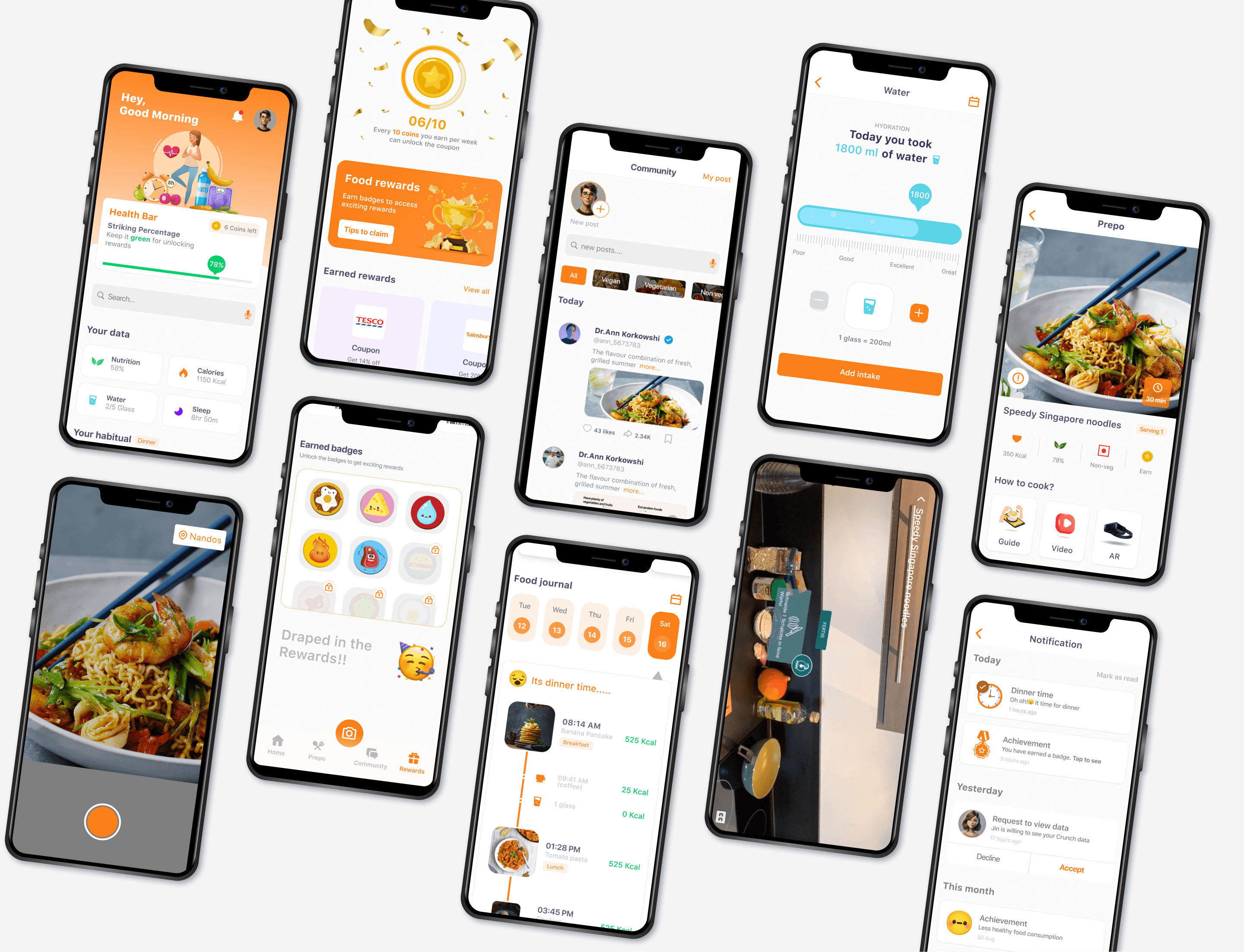
Used Figma to develop detailed interactive prototypes, showcasing intuitive functionality and clean, accessible layouts.
The designs emphasized:
Ease of Use: Barcode meal scanner for quick tracking.
Personalization: Notifications tailored to user preferences.
Engagement: Gamified rewards and community features.
User Interface Design
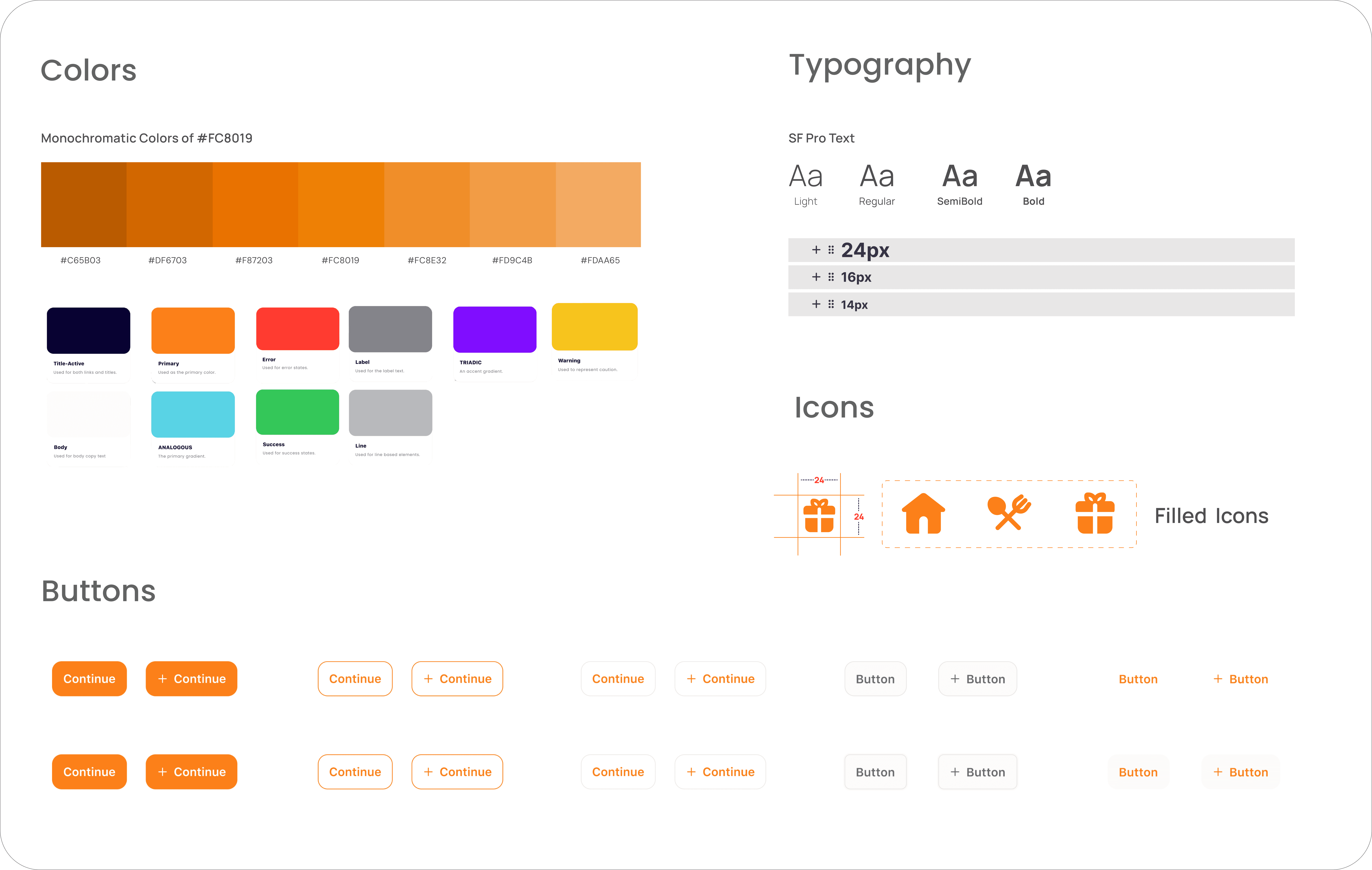
Designed a cohesive and engaging visual identity. Incorporated vibrant colors, accessible typography, and user-friendly iconography to resonate with the app’s target demographic.
Usability testing and Iteration
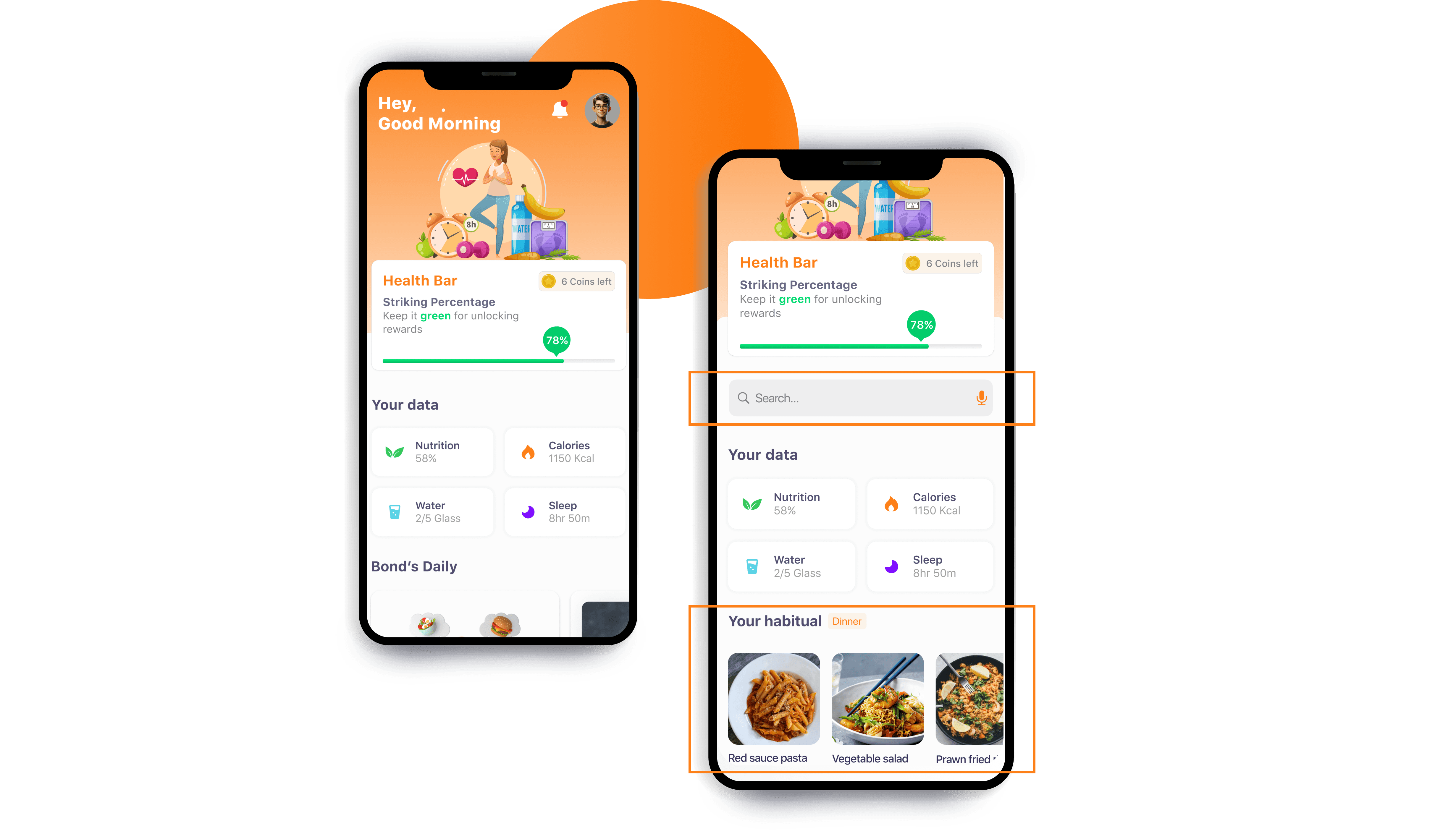
Organized usability testing sessions with participants aged 18-35 to evaluate the app's usability and functionality. Users mentioned difficulties in locating the search bar and found the calorie tracking feature unintuitive in its initial design.
Improvements:
• Simplifying the search bar placement based on Hick’s Law for better visibility.
• Adding frequently used food options to streamline calorie tracking and enhance the user experience.
Success Metrics
• 36% increase in projected daily active users.
• Average SUS score of 65 from usability testing.
• Enhanced user retention through gamified social features.
What I learned
This project emphasized balancing simplicity and motivation in design. I gained valuable experience in gamification, iterative testing, and integrating user feedback to create an engaging product. Additionally, I enhanced my skills in user research, prototyping, and collaboration, ensuring the design aligned with both user needs and business goals while applying key usability principles and UX laws.
The Problem
Young professionals and students often struggle to maintain healthy eating habits due to:
• Difficulty in tracking nutritional intake.
• Forgetfulness regarding hydration and balanced meals.
• Lack of motivation to sustain positive habits over time.
Additionally, existing apps often focus on one aspect, like tracking calories, without considering the broader picture of user needs such as simplicity, personalization, and motivation.
User research and competitor analysis
Started with user interviews and surveys targeting the 18-35 age group to uncover challenges in nutrition tracking. Key insights revealed that 80% of users prioritized simple tracking features like barcode scanning, while social and gamified elements were motivating factors.
Storytelling
Created personas to represent our target users, illustrating their goals and frustrations. A storyboard outlined the current journey of fragmented nutrition tracking versus the envisioned seamless experience with Crunch:
Before: Frustration due to complexity and lack of personalization in apps.
After: Ease of tracking with features like barcode scanning and tailored reminders.
Design Process
Wireframes
Designed low-fidelity wireframes to prioritize essential features, focusing on simplified navigation for tracking meals, hydration, and sleep. A dedicated space for social engagement, such as progress sharing, was also included.
Prototypes
Used Figma to develop detailed interactive prototypes, showcasing intuitive functionality and clean, accessible layouts.
The designs emphasized:
Ease of Use: Barcode meal scanner for quick tracking.
Personalization: Notifications tailored to user preferences.
Engagement: Gamified rewards and community features.
User Interface Design
Designed a cohesive and engaging visual identity. Incorporated vibrant colors, accessible typography, and user-friendly iconography to resonate with the app’s target demographic.
Usability testing and Iteration
Organized usability testing sessions with participants aged 18-35 to evaluate the app's usability and functionality. Users mentioned difficulties in locating the search bar and found the calorie tracking feature unintuitive in its initial design.
Improvements:
• Simplifying the search bar placement based on Hick’s Law for better visibility.
• Adding frequently used food options to streamline calorie tracking and enhance the user experience.
Success Metrics
• 36% increase in projected daily active users.
• Average SUS score of 65 from usability testing.
• Enhanced user retention through gamified social features.
What I learned
This project emphasized balancing simplicity and motivation in design. I gained valuable experience in gamification, iterative testing, and integrating user feedback to create an engaging product. Additionally, I enhanced my skills in user research, prototyping, and collaboration, ensuring the design aligned with both user needs and business goals while applying key usability principles and UX laws.